admin
admin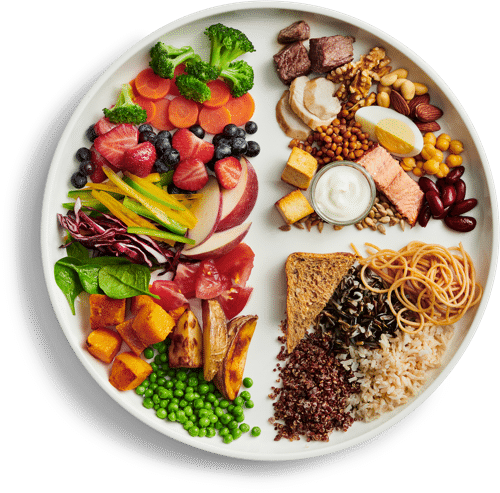
Key Health and Wellness Movements Shaping 2026
This year, the wellness world is moving beyond quick fixes and extreme routines. Instead, people are embracing holistic, sustainable, and personalized approaches that support long‑term well‑being — not just temporary results. Experts and trend reports highlight several key movements that define the wellness trend of 2026.
🌿 1. Personalized Wellness and Precision Health
Rather than generic diets or universal fitness plans, the big shift now is toward personalized health. With advanced technology like biometric testing, AI‑powered guidance, and wearable health trackers, people can get insights that match their unique biology — including gut health, sleep patterns, metabolic data, and stress responses.
This trend makes wellness feel more actionable and meaningful because advice is based on real data from your own body.
🧠 2. Nervous System Regulation and Stress Resilience
Wellness isn’t just about being calm — it’s about learning how to regulate your nervous system in a way that supports long‑term health. Techniques like breathwork, somatic movement, and mindful cold or heat exposure are gaining popularity as tools to help lower stress hormones and improve emotional resilience.
This shift reflects a deeper understanding that stress affects everything from digestion to sleep to immunity.
🛌 3. Rest, Sleep, and Slow Living Rituals
In 2026, rest isn’t optional — it’s essential. People are redefining wellness to prioritize sleep quality, restorative routines, and intentional downtime. Practices like evening screen‑free rituals, circadian‑friendly lighting, and sleep optimization aren’t just trends — they’re becoming foundational health habits.
Expect wellness content and products that focus on how you rest as much as how you move.
🧬 4. Functional Nutrition and Gut Health Focus
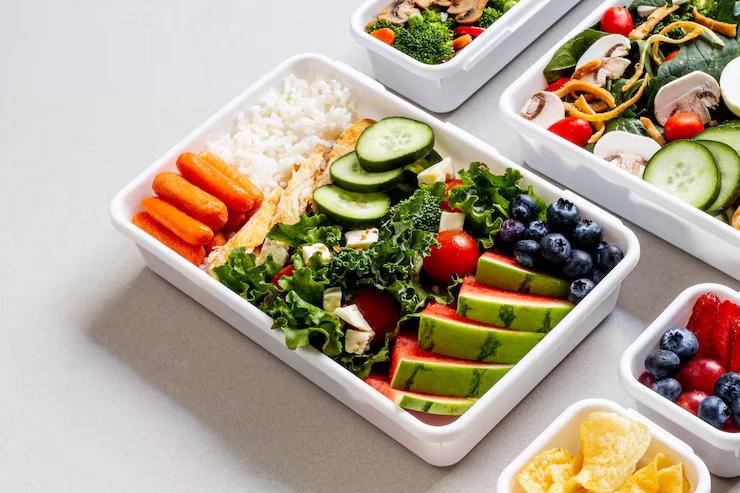
Food and nutrition continue to evolve beyond calories and macros. Functional nutrition — eating to support immunity, hormonal balance, metabolism, digestion, and even mood — is more important than ever. Gut health in particular is driving widespread interest in probiotics, prebiotics, and diverse, fiber‑rich diets.
It’s not about restrictive diets — it’s about purposeful eating for long‑term health.
🌐 5. Tech‑Driven and Data‑Supported Wellness
Wearables, at‑home testing, and personalized wellness apps have become much more than fitness gadgets. They now offer real‑time feedback on your sleep, activity, stress, and health markers — helping people make informed choices instead of guesswork.
This trend shows that wellness today is as much science‑based as it is habit‑based.
🤝 6. Community and Social Well‑Being
Wellness is no longer a solo journey. Group fitness classes, shared recovery experiences like sauna or cold plunge sessions, social wellness clubs, and community health challenges are rising in popularity. Connection and support are now seen as essential components of overall well‑being.
Wellness isn’t just about the individual — it’s about the social ecosystem around them.
Why This Matters
The big theme this year is holistic and sustainable health — meaning:
-
More personalization and data transparency
-
Less extreme dieting or workouts
-
Greater emphasis on recovery, stress control, and real life balance
-
Community and emotional support as part of well‑being
Wellness isn’t a fad — it’s becoming a lifestyle that integrates mind, body, and environment.