admin
admin
Healthy eating doesn’t have to be complicated, expensive, or time-consuming. Everyday healthy eating is about making simple, balanced food choices that support your body, energy levels, and overall well-being over the long term.
Instead of following strict diets, the goal is to build habits you can maintain every day.
🥗 What Does Everyday Healthy Eating Mean?
Everyday healthy eating focuses on consistency rather than perfection. It’s about choosing nourishing foods most of the time while still allowing flexibility and enjoyment.
Healthy eating is not about restriction — it’s about balance.
🍎 1. Choose Whole, Natural Foods Most of the Time
Whole foods are foods that are close to their natural state and minimally processed.
Examples include:
-
Fruits and vegetables
-
Whole grains
-
Eggs, fish, legumes, and lean meats
-
Nuts, seeds, and healthy oils
These foods provide essential nutrients that support digestion, immunity, and energy.
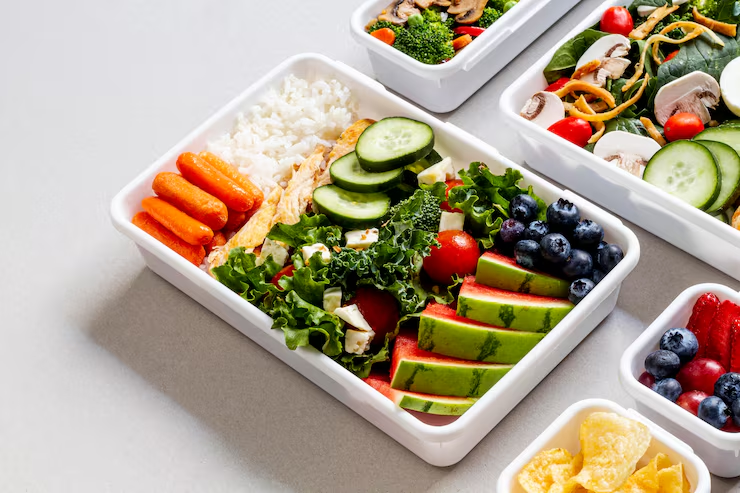
🍽️ 2. Build Balanced Meals
A balanced meal helps keep blood sugar stable and reduces cravings.
A simple balanced plate includes:
-
Vegetables or fruits for vitamins and fiber
-
Protein for satiety and muscle support
-
Whole grains or healthy carbs for energy
-
Healthy fats for brain and heart health
You don’t need perfect portions — just variety.
💧 3. Stay Hydrated Throughout the Day
Water plays a key role in digestion, metabolism, and concentration.
Simple habit:
Drink water regularly, not only when you feel thirsty. Herbal teas and water-rich foods also help with hydration.
⏰ 4. Eat Regularly
Skipping meals can lead to low energy and overeating later.
Tip:
Try to eat at regular times during the day to support steady energy levels and better digestion.
🧠 5. Practice Mindful Eating
Mindful eating means paying attention to your food and your body’s signals.
Try this:
-
Eat slowly
-
Avoid distractions during meals
-
Stop eating when you feel comfortably full
This improves digestion and helps prevent overeating.
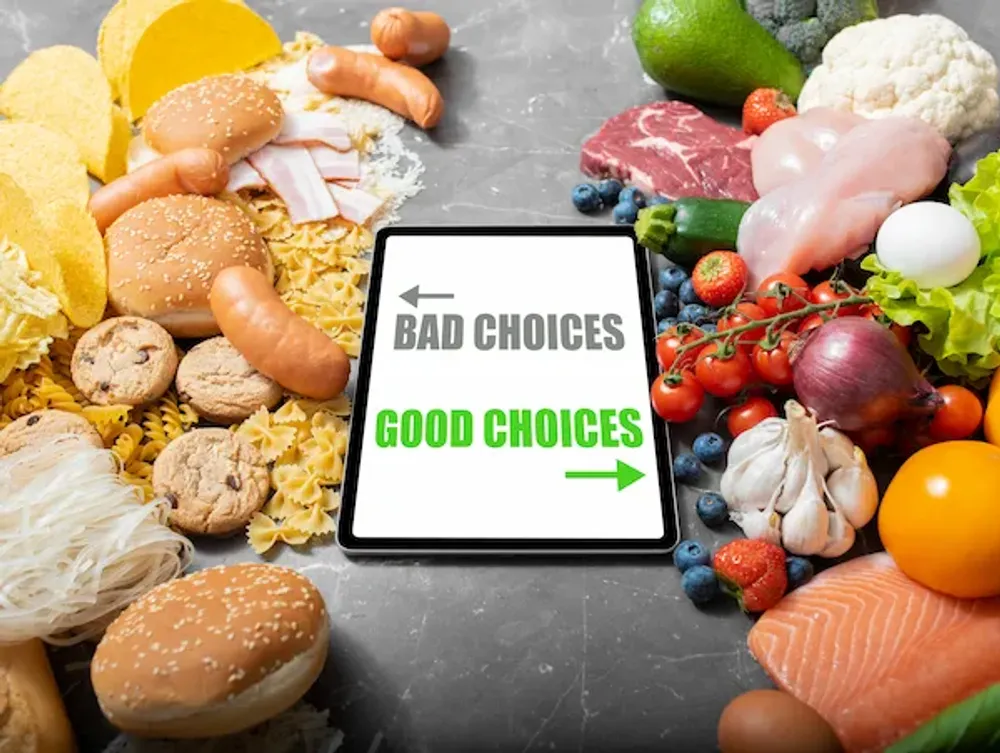
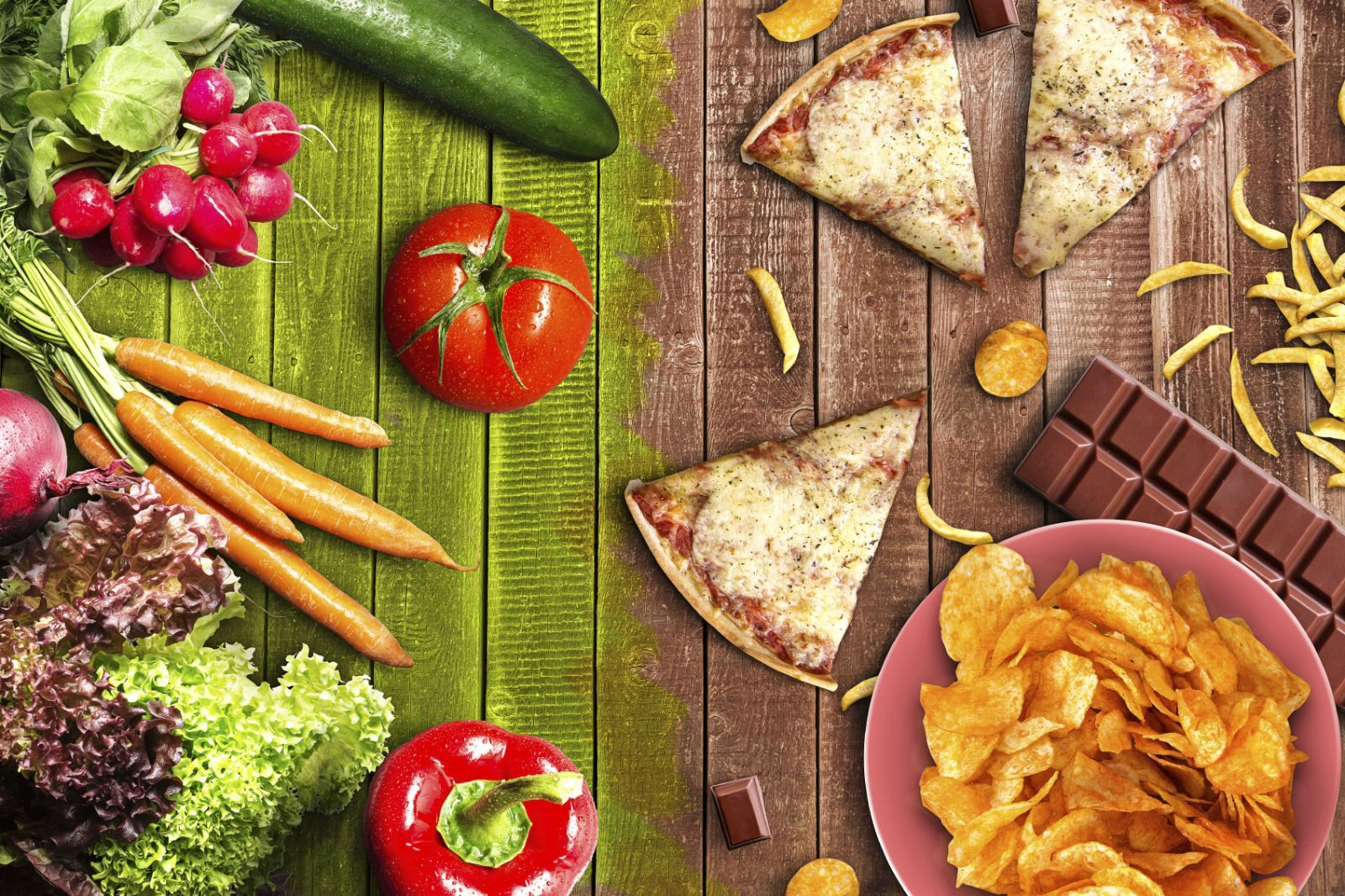
🥨 6. Limit Highly Processed Foods
Highly processed foods often contain excess sugar, salt, and unhealthy fats.
You don’t need to eliminate them completely — just aim to make them an occasional choice rather than a daily habit.
🛒 7. Plan Simple, Not Perfect
Healthy eating is easier with basic planning.
Simple ideas:
-
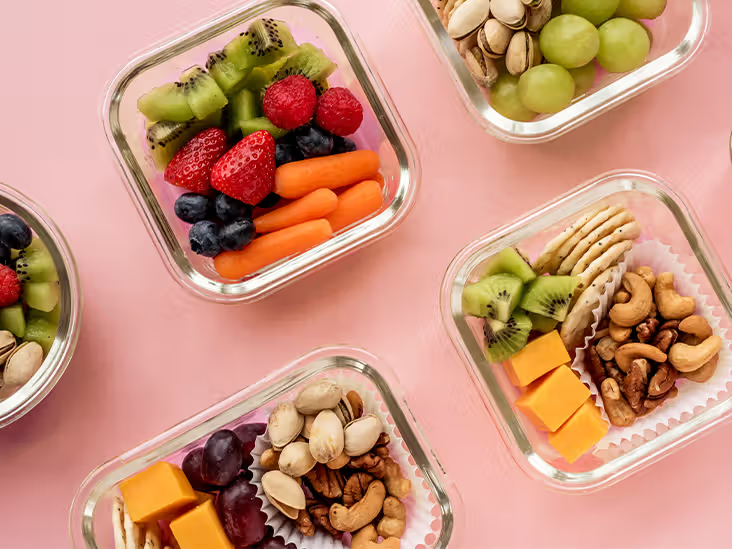
Keep healthy snacks available
-
Prepare easy meals with a few ingredients
-
Choose convenience foods wisely
Simple plans are easier to follow.