admin
admin
Intermittent fasting has become one of the most popular health and weight-loss strategies in the United States. Rather than focusing on what you eat, intermittent fasting focuses on when you eat, helping the body regulate energy use more efficiently.
When practiced correctly, intermittent fasting can support weight management without extreme dieting.
⏰ What Is Intermittent Fasting?
Intermittent fasting (IF) is an eating pattern that alternates between periods of eating and periods of fasting. It does not require special foods or strict calorie counting, which makes it appealing to many people.
Common intermittent fasting methods include:
-
16:8 Method – eating within an 8-hour window and fasting for 16 hours
-
14:10 Method – a more beginner-friendly approach
-
5:2 Method – eating normally five days a week and reducing intake on two non-consecutive days
The goal is to give the body time to rest from constant digestion.
🔥 How Intermittent Fasting Supports Weight Loss
Intermittent fasting can help with weight loss through several natural mechanisms:
-
Reduced calorie intake without conscious restriction
-
Improved insulin sensitivity, helping the body use stored fat
-
Better appetite regulation, reducing frequent snacking
-
Support for metabolic flexibility, allowing the body to switch between energy sources
Weight loss occurs gradually and more sustainably when combined with healthy food choices.
🧠 Intermittent Fasting Is Not Just About Weight
Beyond weight control, many people practice intermittent fasting for overall wellness benefits, such as:
-
Improved focus and mental clarity
-
Better digestion
-
More stable energy levels
-
Support for metabolic health
Fasting is not a quick fix but a long-term lifestyle approach.
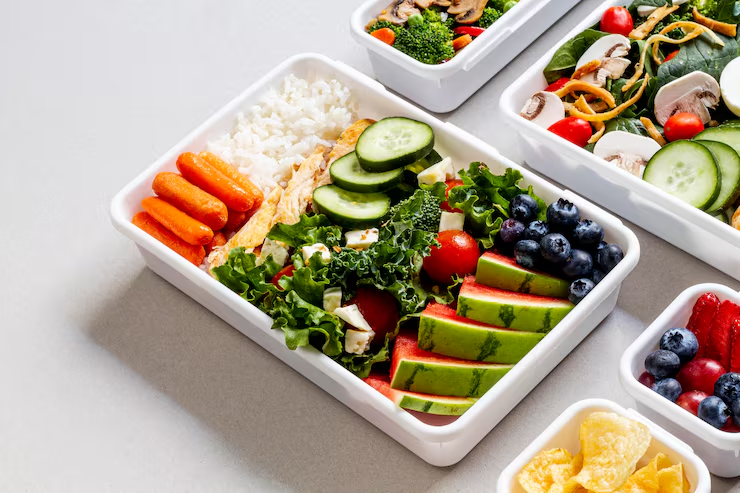
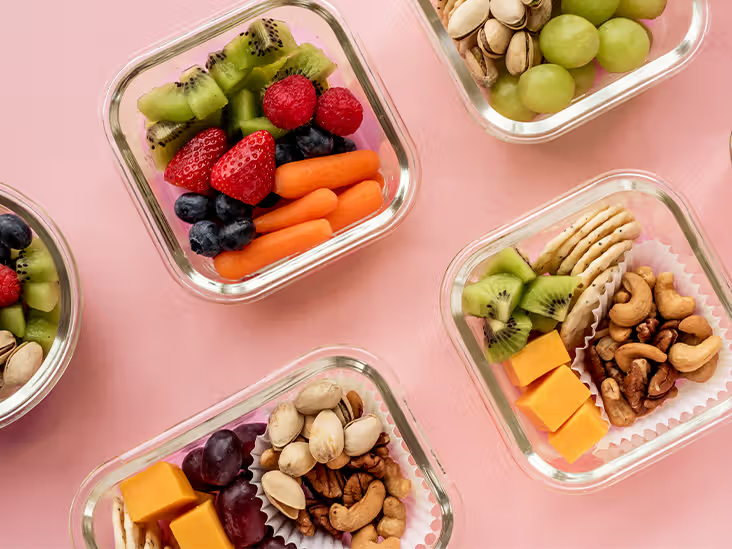
🥗 Best Nutrition Strategies While Intermittent Fasting
What you eat during eating windows still matters.
✔️ Focus on:
-
Lean proteins (eggs, fish, poultry, legumes)
-
Fiber-rich vegetables and fruits
-
Whole grains
-
Healthy fats (olive oil, nuts, seeds, avocado)
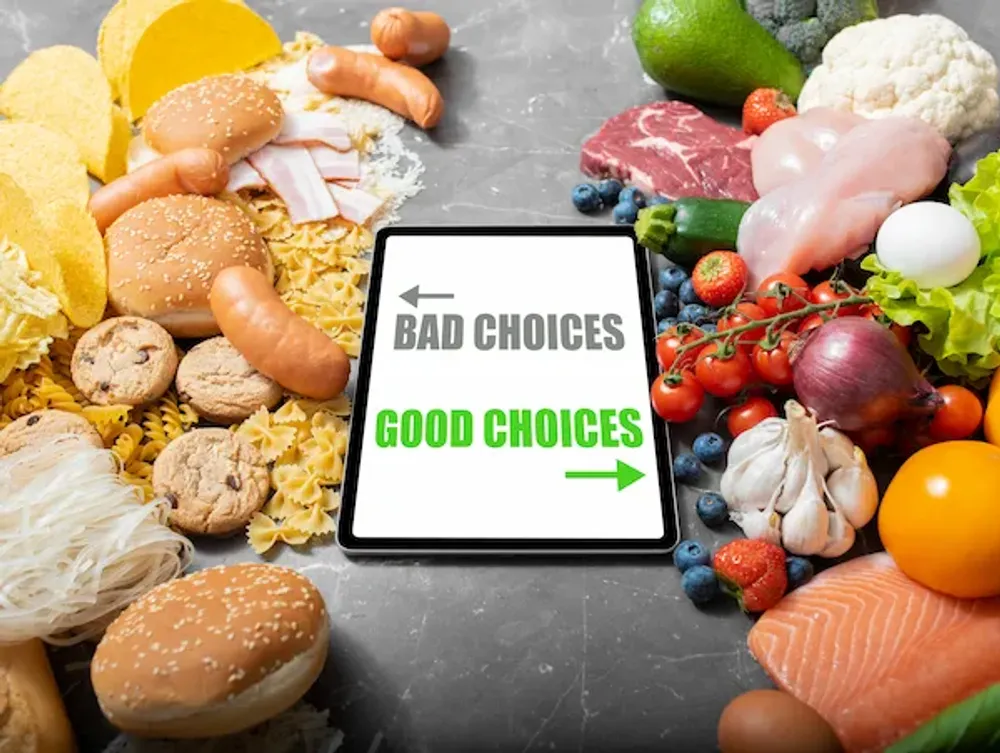
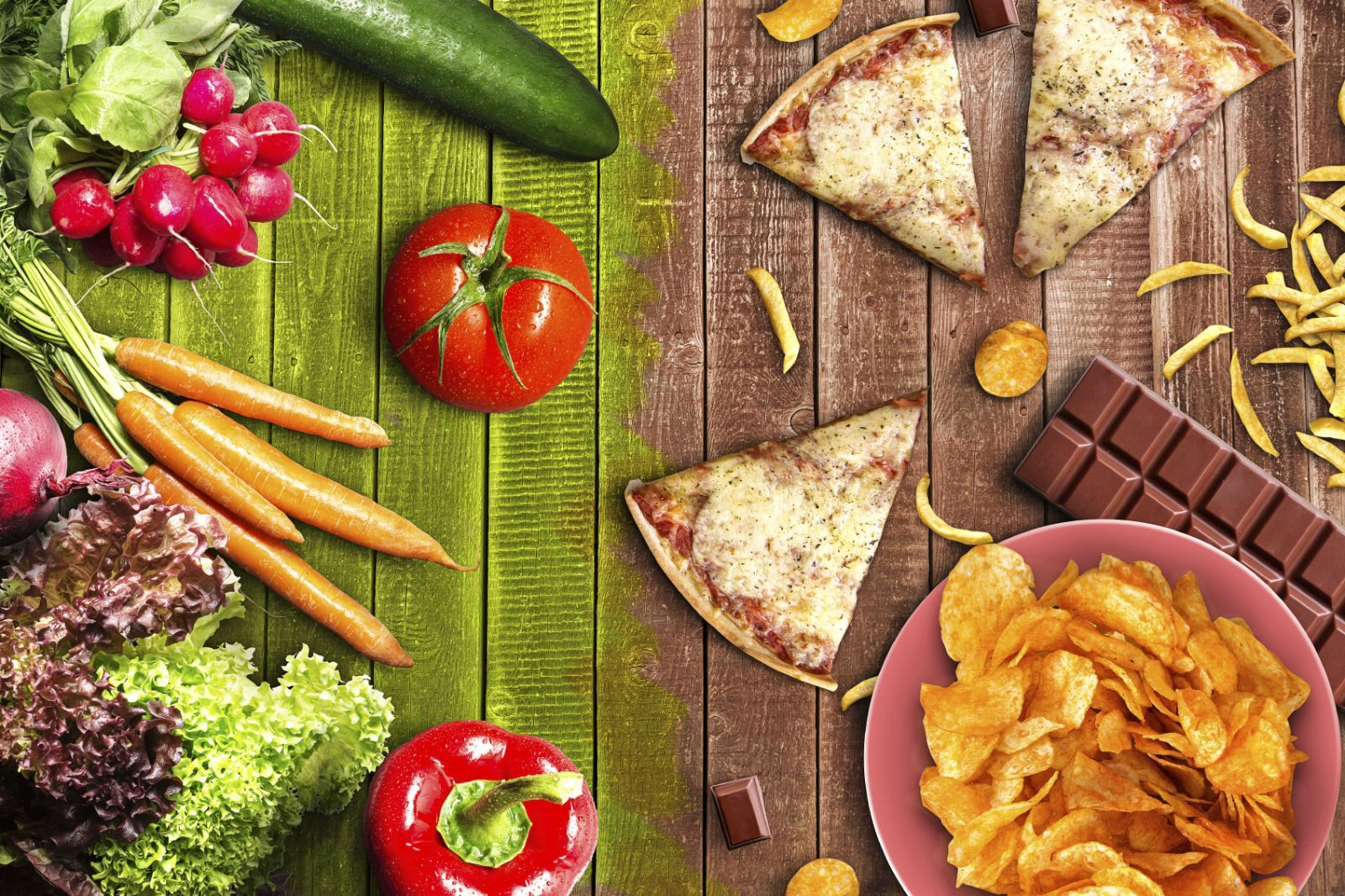
❌ Limit:
-
Highly processed foods
-
Sugary drinks
-
Refined snacks
-
Overeating during eating windows
Balanced meals make fasting easier and more effective.
💧 Hydration During Fasting
Drinking enough water is essential during fasting periods.
Allowed beverages typically include:
-
Water
-
Herbal teas
-
Black coffee (without sugar or cream)
Proper hydration helps manage hunger and supports metabolism.
🏃 Physical Activity and Intermittent Fasting
Exercise can complement intermittent fasting when done mindfully.
Good options include:
-
Walking
-
Strength training
-
Low-impact workouts
-
Light cardio
Listening to your body is more important than pushing intensity.
⚠️ Who Should Be Cautious
Intermittent fasting is not suitable for everyone. People who should consult a healthcare professional include:
-
Individuals with medical conditions
-
Those with a history of eating disorders
-
Pregnant or breastfeeding individuals
Health should always come before trends.
❌ Common Myths About Intermittent Fasting
-
Fasting slows metabolism ❌
-
Skipping breakfast is unhealthy for everyone ❌
-
Intermittent fasting guarantees fast weight loss ❌
Results depend on consistency, nutrition quality, and lifestyle.