admin
admin
Wellness today is no longer only about personal health — it’s also about responsibility. Sustainable and ethical wellness practices focus on improving well-being while respecting the environment, communities, and future generations.
True wellness should feel good and do good.
🌱 What Is Sustainable Wellness?
Sustainable wellness means making healthy choices that can be maintained long-term without harming the planet or exploiting people.
It emphasizes:
-
Environmental responsibility
-
Ethical sourcing
-
Minimal waste
-
Conscious consumption
-
Long-term health over quick fixes
This approach supports balance — not excess.
🤝 Why Ethical Wellness Matters
Ethical wellness considers how products and practices impact:
-
Workers and communities
-
Animals
-
Natural resources
-
Global health systems
Choosing ethical wellness means supporting brands and habits that value fairness, transparency, and sustainability.
🌿 Key Sustainable & Ethical Wellness Practices
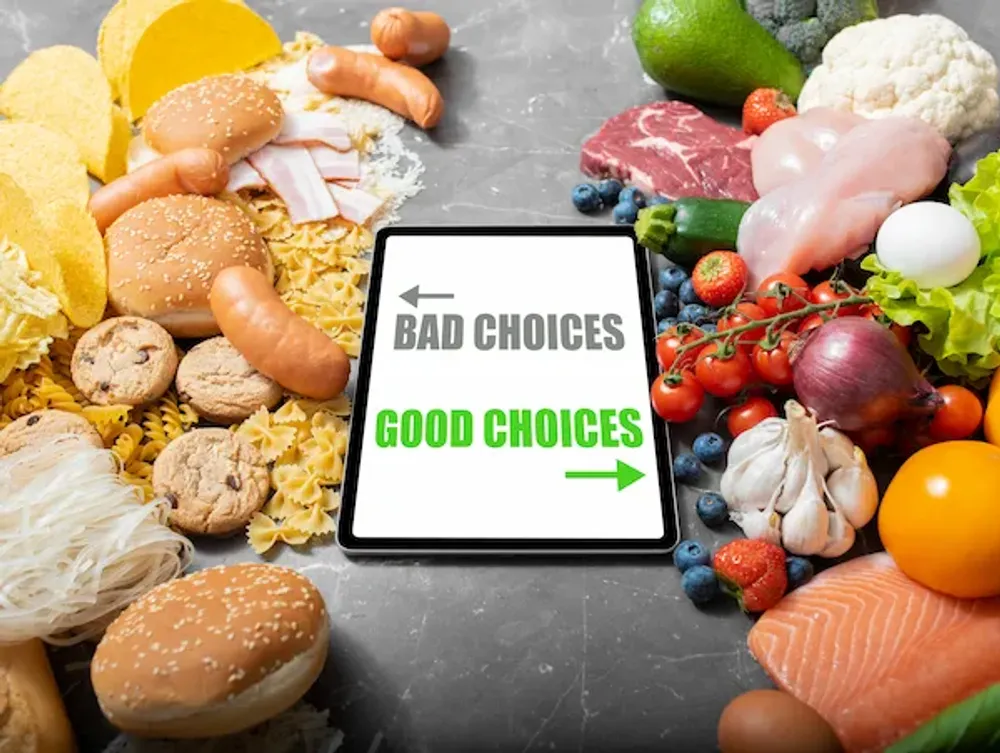
🥗 1. Conscious Nutrition
Sustainable eating focuses on food quality and sourcing.
Examples include:
-
Choosing whole, minimally processed foods
-
Supporting local and seasonal produce
-
Reducing food waste
-
Eating more plant-based meals
Small dietary shifts can have a big impact.
🧴 2. Clean and Ethical Personal Care
Many wellness products now prioritize safety and sustainability.
Look for:
-
Cruelty-free and ethically tested products
-
Refillable or recyclable packaging
-
Fewer synthetic ingredients
-
Transparent ingredient lists
What you put on your body matters as much as what you put in it.
🧘 3. Mindful Movement and Exercise
Sustainable fitness avoids burnout and injury.
Ethical movement focuses on:
-
Listening to your body
-
Prioritizing recovery
-
Choosing low-impact or functional workouts
-
Avoiding extreme or harmful fitness trends
Wellness is about consistency, not punishment.
🧠 4. Mental Well-Being with Balance
Ethical wellness promotes mental health without unrealistic expectations.
Healthy habits include:
-
Digital boundaries
-
Mindfulness practices
-
Adequate rest
-
Realistic self-care routines
Rest is a productive part of wellness.
♻️ 5. Reducing Waste in Wellness Routines
Sustainability starts with daily habits.
Simple changes:
-
Reusable water bottles
-
Minimal packaging products
-
Digital wellness tools instead of printed materials
-
Buying only what you truly need
Less waste, more intention.
🌍 6. Supporting Ethical Brands and Services
Where you spend your money matters.
Ethical wellness brands often:
-
Use fair labor practices
-
Support environmental initiatives
-
Provide transparency
-
Avoid greenwashing
Informed choices create positive change.
⚖️ Wellness Without Perfection
Sustainable wellness is not about being perfect.
It’s about:
-
Progress over pressure
-
Awareness over guilt
-
Long-term habits over short trends
Even small steps make a difference.
🚫 Common Misconceptions
-
Sustainable wellness is expensive → Not always
-
Ethical living must be extreme → It doesn’t
-
One person can’t make a difference → Every choice counts
Wellness should empower, not overwhelm.
🌟 Final Thoughts
Sustainable and ethical wellness practices create a healthier relationship with your body, your community, and the planet. By choosing mindful nutrition, ethical products, balanced movement, and responsible consumption, wellness becomes a lifestyle that supports both personal and global well-being.
Healthy living works best when it’s thoughtful, fair, and sustainable.