admin
admin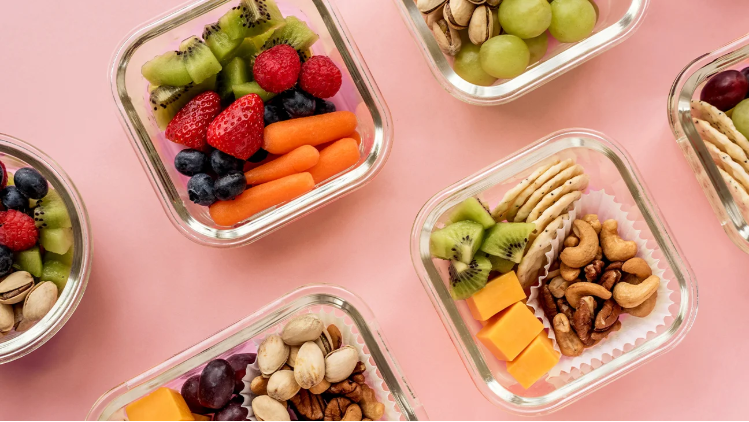
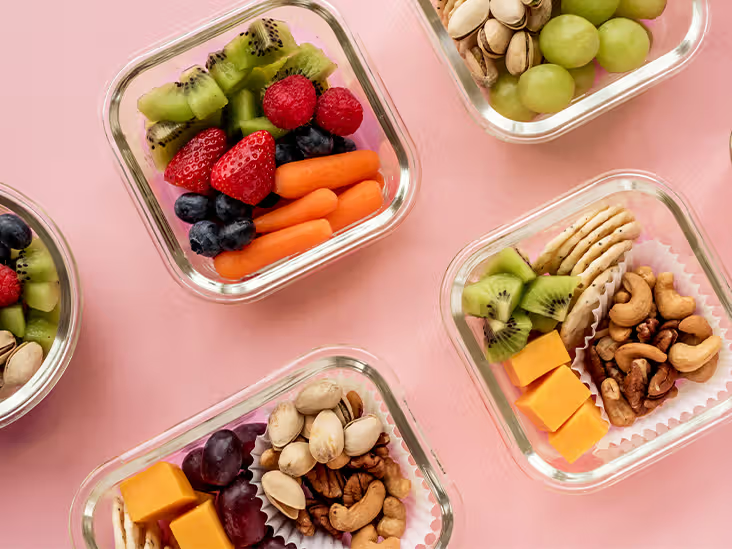
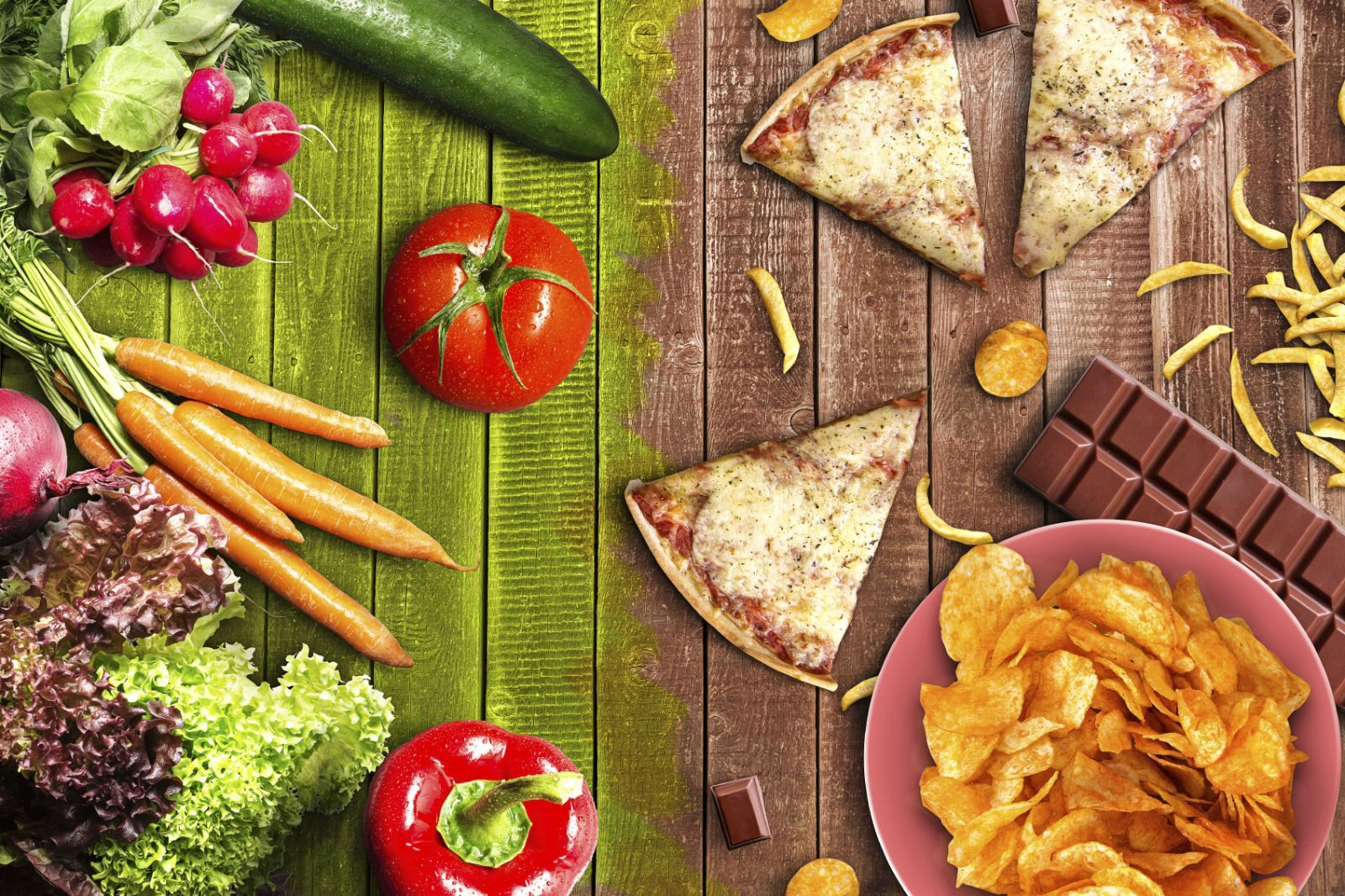
You can make nutritious snacks and meals for on-the-go by prioritizing dairy, protein sources, vegetables, fruits, and whole grains.
Healthy eating while you’re away from home can pose unique challenges. Keep reading to learn more about how to maintain a nutritious diet while you’re on the go.
To eat healthy, you need to get a variety of nutrients from the five food groups:
- dairy
- protein-rich foods
- grains
- fruits
- vegetables
Each food group offers a different main nutritional benefit, so you can get a spectrum of nutrients that support good health.
Examples of foods from each group are:
- Dairy: milk, cheese, yogurt, lactose-free milk, fortified soy milk
- Protein-rich foods: seafood, poultry, eggs, peas, beans, nuts, seeds, and soy products
- Grains: wheat, rice, oats, cornmeal, barley
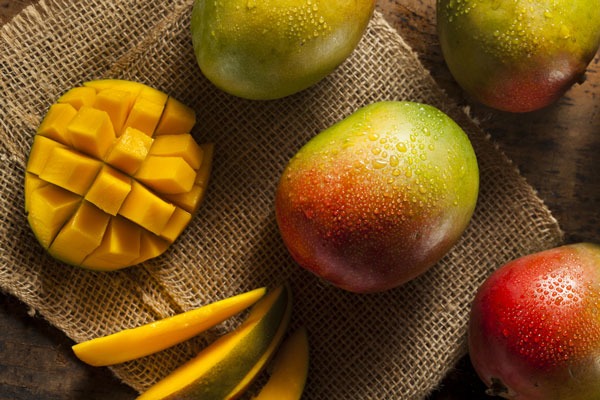
- Fruits: fresh, canned, frozen, or dried fruits and 100% fruit juice
- Vegetables (nonstarchy): fresh, canned, frozen, or dried vegetables (raw or cooked) and 100% vegetable juice
MyPlate is a nutritional guide and meal planning tool that helps people eat healthily. It was developed by the USDA based on the 2020-2025 Dietary Guidelines for AmericansTrusted Source.
It recommends:
- making at least half of your grains whole grains
- varying your protein sources and vegetables
- choosing low fat or fat-free dairy products
- making at least half of your fruits whole fruits
To build a well-rounded plate, try pairing foods from at least two food groups to get a diversity of nutrients.
How to fill your plate
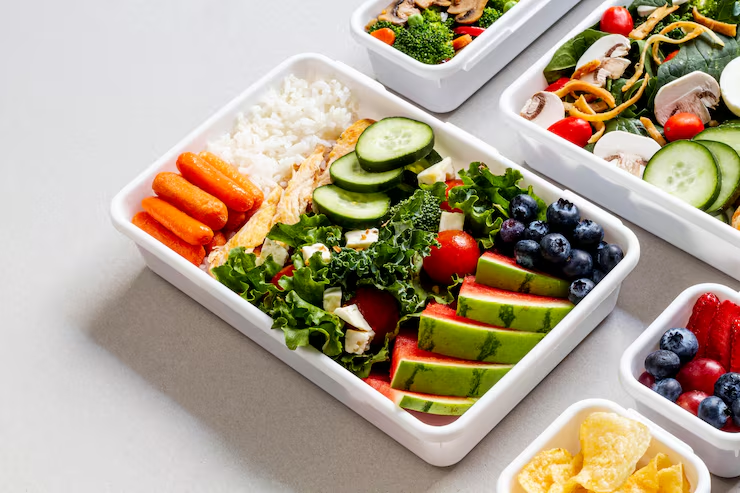
- Fill half of your plate with nonstarchy vegetables like spinach or collard greens.
- Then, fill one-fourth of your plate with protein-rich foods, such as chicken, fish, or navy beans, depending on your preferences.
- Lastly, fill the remaining one-fourth of your plate with grains like rice or quinoa.
Snacks
Pair a grain with a protein-, fat-, or fiber-rich food.
Your body digests mixed meals that include protein, healthy fats, and fiber more slowly than grains alone. This can make you feel full for longer, which can help support a healthy weight and blood sugar management.
How skipping meals can backfire
Skipping meals may cause you to overeat at your next meal or load up on unhealthy snacks. If you find this tends to happen to you, you might find it helpful to have preplanned food ready to grab and go when you’re in a rush.
Here’s how to eat healthy in five common scenarios when you’re on the go.
If you find yourself constantly rushing out the door in the mornings without a plan for breakfast or even lunch, you’re not alone.
Even if you’re not able to change your busy schedule, planning your meals will help you become more organized and intentional about having nutritious foods in the morning. It will also help you stop skipping meals unintentionally.
Dining out has its benefits. The food itself can be very enjoyable, and dining with others is a great way to socialize with others.
Maintaining healthy eating when you’re ordering restaurant food or dining out is key to supporting your overall lifestyle.