admin
admin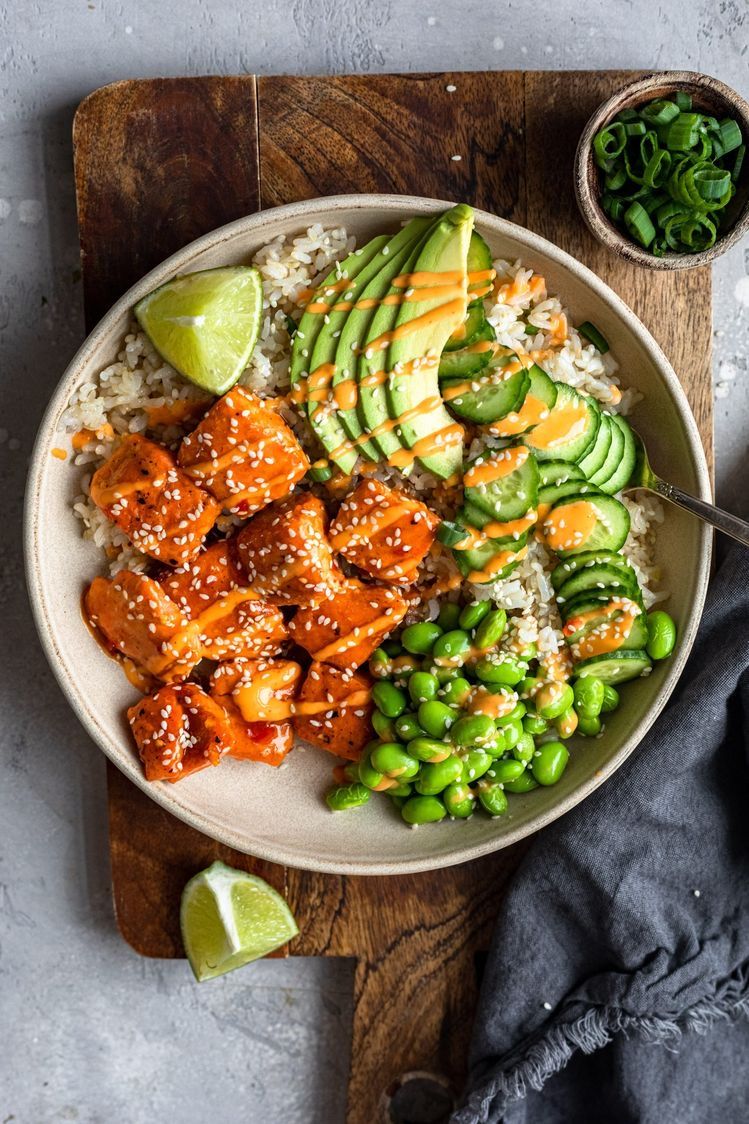
Intermittent fasting has become one of the most talked-about wellness practices in recent years. Rather than focusing on what you eat, this approach focuses on when you eat. Many people are drawn to intermittent fasting because of its simplicity, flexibility, and potential health benefits when practiced mindfully.
⏰ What Is Intermittent Fasting?
Intermittent fasting (IF) is an eating pattern that alternates between periods of eating and periods of fasting. During fasting windows, no calories are consumed, allowing the body to rest from digestion and use stored energy.
It is not a diet in the traditional sense — it’s a structured eating schedule.
🔄 Common Intermittent Fasting Methods
🕒 16:8 Method
-
16 hours of fasting
-
8-hour eating window
This is the most popular and beginner-friendly approach.
🗓️ 5:2 Method
-
5 days of normal eating
-
2 non-consecutive days of reduced calorie intake
🌙 12:12 Method
-
12 hours fasting, 12 hours eating
A gentle option for beginners or those easing into fasting.
Different methods work for different lifestyles — there is no one-size-fits-all.
⚙️ How Intermittent Fasting Works
When you fast, your body shifts from using glucose for energy to using stored fat. This metabolic switch may support:
-
Improved insulin sensitivity
-
More stable energy levels
-
Reduced snacking habits
Fasting periods also give the digestive system a break, which some people find beneficial.
🌿 Potential Benefits of Intermittent Fasting
When practiced responsibly, intermittent fasting may support:
-
Better appetite awareness
-
Weight management
-
Metabolic health
-
Mental clarity
-
Simplified eating routines
Results vary depending on lifestyle, food quality, sleep, and stress levels.
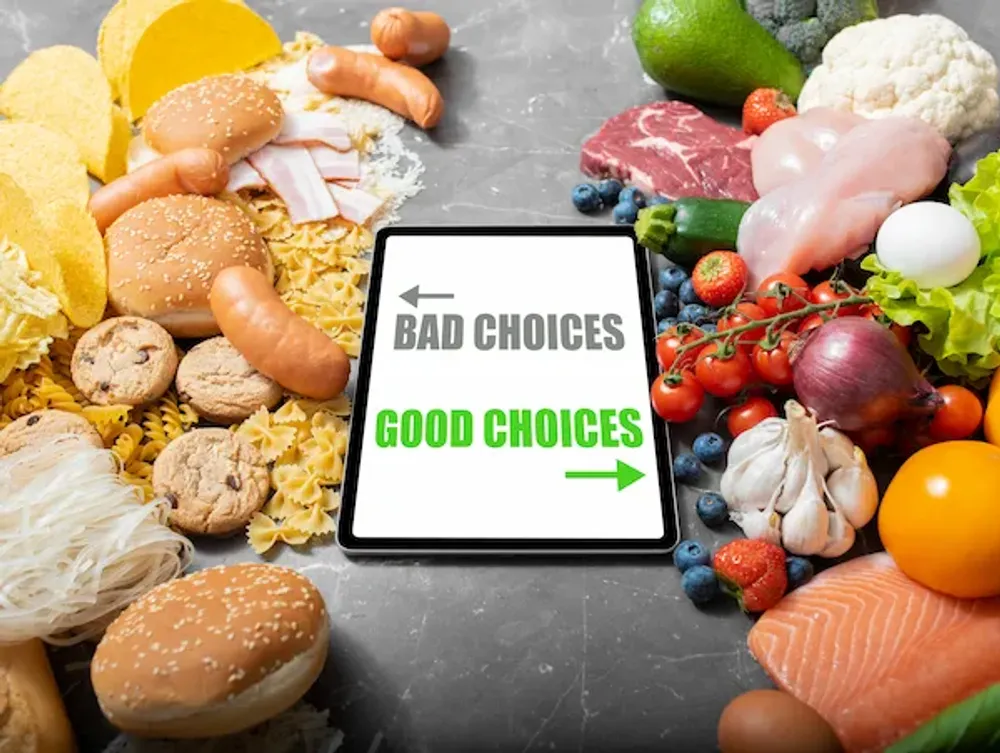
🥗 What to Eat During Eating Windows
Food quality matters just as much as timing.
A balanced eating window includes:
-
Whole foods
-
Lean proteins
-
Healthy fats
-
Fiber-rich fruits and vegetables
-
Adequate hydration
Intermittent fasting works best when paired with nourishing meals — not overeating.
⚠️ Who Should Be Cautious
Intermittent fasting is not suitable for everyone.
People who should seek professional guidance include:
-
Those with medical conditions
-
Individuals with a history of disordered eating
-
Pregnant or breastfeeding individuals
-
Teenagers still in growth phases
Listening to your body is essential.
🧠 Common Misconceptions
-
Fasting means starving → It doesn’t
-
Longer fasts are always better → Not true
-
You can eat anything during eating windows → Quality still matters
Intermittent fasting is about balance, not extremes.
🌱 Tips for Getting Started
-
Start with shorter fasting windows
-
Stay hydrated
-
Avoid excessive caffeine
-
Prioritize sleep
-
Be flexible
Consistency matters more than perfection.
⚖️ Intermittent Fasting as a Lifestyle
The most successful approach to intermittent fasting is one that fits naturally into your daily routine. It should support energy, focus, and overall well-being — not create stress or obsession.
If it feels unsustainable, it’s not the right approach.