admin
admin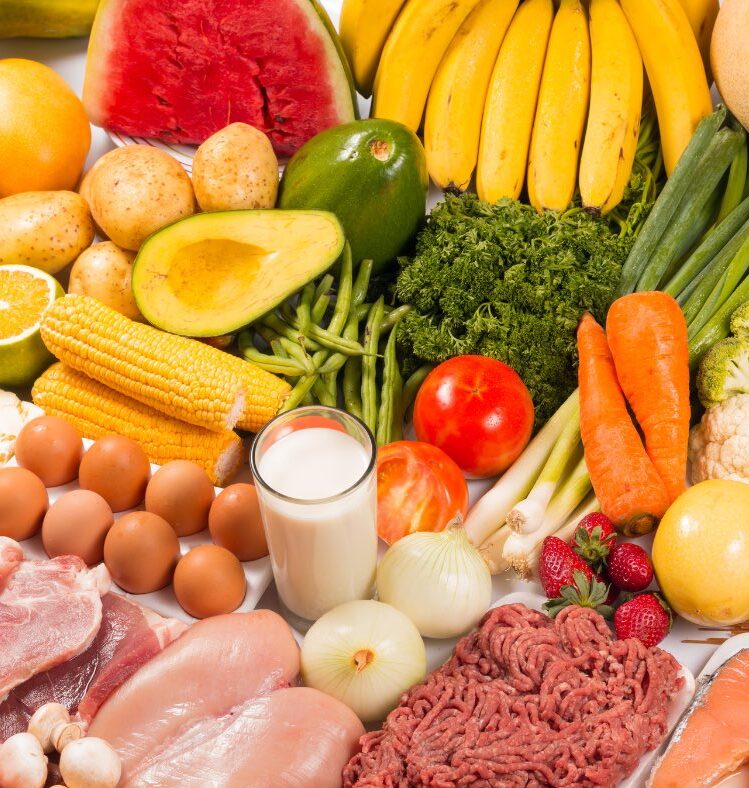
Cardiovascular health is strongly influenced by everyday lifestyle choices. Among the most important — and often underestimated — factors are nutrition and sleep. Together, they play a critical role in how well the heart functions, how blood vessels stay healthy, and how the body manages inflammation and stress.
Understanding this connection can help prevent heart disease and support long-term heart health.
❤️ Why Cardiovascular Health Matters
The cardiovascular system includes the heart and blood vessels, responsible for delivering oxygen and nutrients throughout the body. Poor heart health increases the risk of high blood pressure, heart disease, stroke, and metabolic disorders.
Lifestyle habits have a direct and lasting impact on this system.
🥗 The Role of Nutrition in Heart Health
What you eat directly affects cholesterol levels, blood pressure, blood sugar, and inflammation — all key factors in cardiovascular health.
1. Heart-Friendly Foods
A balanced diet supports healthy blood flow and reduces strain on the heart.
Beneficial foods include:
-
Fruits and vegetables rich in antioxidants
-
Whole grains that support stable blood sugar
-
Lean proteins such as fish, legumes, and poultry
-
Healthy fats from olive oil, nuts, seeds, and fatty fish
These foods help reduce inflammation and support healthy cholesterol levels.
2. Foods to Limit
Certain dietary patterns increase cardiovascular risk when consumed frequently.
Limit:
-
Highly processed foods
-
Excess sugar
-
Trans fats and refined oils
-
High sodium intake
Reducing these helps maintain healthy blood pressure and arterial function.
😴 The Importance of Sleep for the Heart
Sleep is not just rest — it is an active recovery process for the heart and blood vessels.
1. Sleep Regulates Blood Pressure
During quality sleep, blood pressure naturally decreases, giving the heart time to recover. Chronic sleep deprivation keeps blood pressure elevated, increasing cardiovascular strain.
2. Sleep Supports Hormonal Balance
Poor sleep disrupts hormones that regulate stress, appetite, and inflammation. This imbalance can lead to weight gain, insulin resistance, and increased heart disease risk.
3. Sleep and Inflammation
Inadequate sleep is linked to higher levels of inflammation, which plays a major role in the development of heart disease.
🔄 The Powerful Connection Between Nutrition and Sleep
Nutrition and sleep influence each other. Poor dietary choices can disrupt sleep quality, while lack of sleep increases cravings for unhealthy foods. Together, they can create a cycle that negatively affects heart health.
Healthy nutrition + quality sleep = stronger cardiovascular protection.
🌱 Simple Habits to Support Heart Health
-
Eat balanced, whole-food-based meals
-
Maintain regular meal times
-
Aim for 7–9 hours of quality sleep
-
Reduce caffeine and heavy meals before bedtime
-
Stay physically active during the day
Consistency is more important than perfection.