admin
admin
Eating balanced meals is one of the simplest ways to support long-term health, energy, and wellbeing. A balanced meal provides the right mix of macronutrients — proteins, carbohydrates, and healthy fats — along with vitamins, minerals, and fiber. Here’s how to create one every day without stress.
🥗 1. Fill Half Your Plate with Vegetables and Fruits
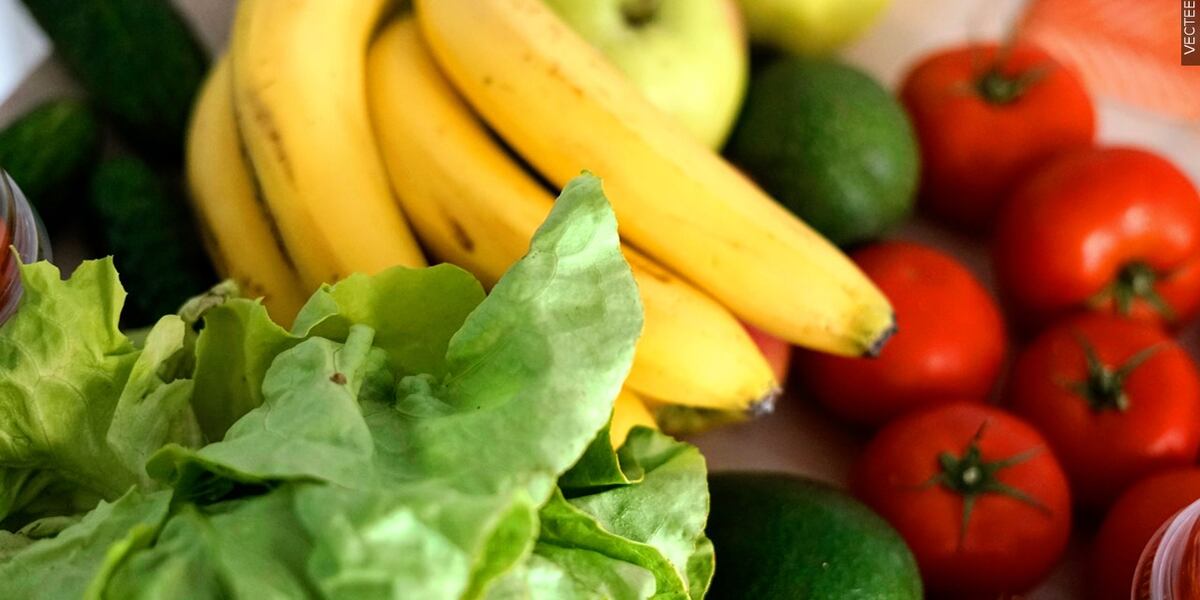
Vegetables and fruits provide fiber, vitamins, minerals, and antioxidants that your body needs. They also help you feel full and satisfied.
Tip:
Aim for a variety of colors — leafy greens, red peppers, orange carrots, and berries — to get a range of nutrients.
🍞 2. Include Whole Grains
Whole grains are a great source of energy and fiber. They help maintain stable blood sugar levels and support digestion.
Examples:
Brown rice, quinoa, oats, barley, and whole-wheat bread or pasta.
🍳 3. Add Lean Protein
Protein supports muscle repair, immunity, and overall body function. Including protein in every meal keeps you fuller for longer.
Good sources:
-
Chicken, turkey, or fish
-
Eggs or low-fat dairy
-
Beans, lentils, tofu, and tempeh
🥑 4. Don’t Forget Healthy Fats
Healthy fats are essential for brain function, hormone balance, and heart health.
Sources:
-
Avocados
-
Nuts and seeds
-
Olive or avocado oil
-
Fatty fish like salmon or mackerel
💧 5. Stay Hydrated
Drinking water is just as important as choosing the right foods. Proper hydration helps digestion, supports metabolism, and keeps energy levels steady.
Tip:
Aim for at least 6–8 glasses a day, and try herbal teas or water infused with fruit for variety.
🌟 6. Portion Control and Mindful Eating
Eating slowly and listening to your body’s hunger cues helps prevent overeating and improves digestion.
Tip:
Try to avoid eating while distracted by screens — focus on your food instead.