admin
admin
Gut health is at the center of overall well-being. Your digestive system is home to trillions of microorganisms that influence digestion, immunity, metabolism, and even mental health. When your gut microbiome is balanced, your body functions more efficiently. When it’s disrupted, a wide range of health issues may follow.
One of the most effective ways to support gut health is through intentional nutrition, especially by combining probiotics and prebiotics into what are known as synbiotic meals.
🦠 What Is the Gut Microbiome?
The gut microbiome is a complex ecosystem of beneficial bacteria living in your digestive tract. These microorganisms help:
-
Break down food
-
Absorb nutrients
-
Support immune defense
-
Regulate inflammation
-
Communicate with the brain
A diverse microbiome is a resilient microbiome.
🌿 Why Gut Health Matters
Poor gut balance has been linked to:
-
Digestive discomfort
-
Low energy
-
Weakened immunity
-
Mood changes
-
Increased inflammation
Supporting gut health is not about restriction — it’s about nourishment.
🧫 Probiotics: Feeding the Good Bacteria
Probiotics are live beneficial bacteria found in fermented foods.
Natural probiotic sources include:
-
Yogurt with live cultures
-
Kefir
-
Sauerkraut
-
Kimchi
-
Miso
-
Fermented vegetables
These foods help introduce healthy bacteria into the gut.
🌾 Prebiotics: Fuel for Your Microbiome
Prebiotics are types of fiber that feed beneficial bacteria already living in your gut.
Common prebiotic foods include:
-
Garlic
-
Onions
-
Leeks
-
Asparagus
-
Oats
-
Bananas
-
Chicory root
Without prebiotics, probiotics struggle to survive.
🔄 What Are Synbiotic Meals?
Synbiotic meals combine probiotics + prebiotics in one meal, creating an environment where beneficial bacteria can thrive.
This combination enhances:
-
Bacterial survival
-
Microbial diversity
-
Digestive efficiency
Synbiotic eating supports long-term gut balance.
🍽️ Examples of Simple Synbiotic Meals
🥣 Breakfast
-
Yogurt with oats, banana, and flaxseeds
🥗 Lunch
-
Mixed greens with fermented vegetables, olive oil, and garlic
🍚 Dinner
-
Brown rice with sautéed onions, asparagus, and miso dressing
🥒 Snack
-
Kefir with berries
Small combinations can have powerful effects.
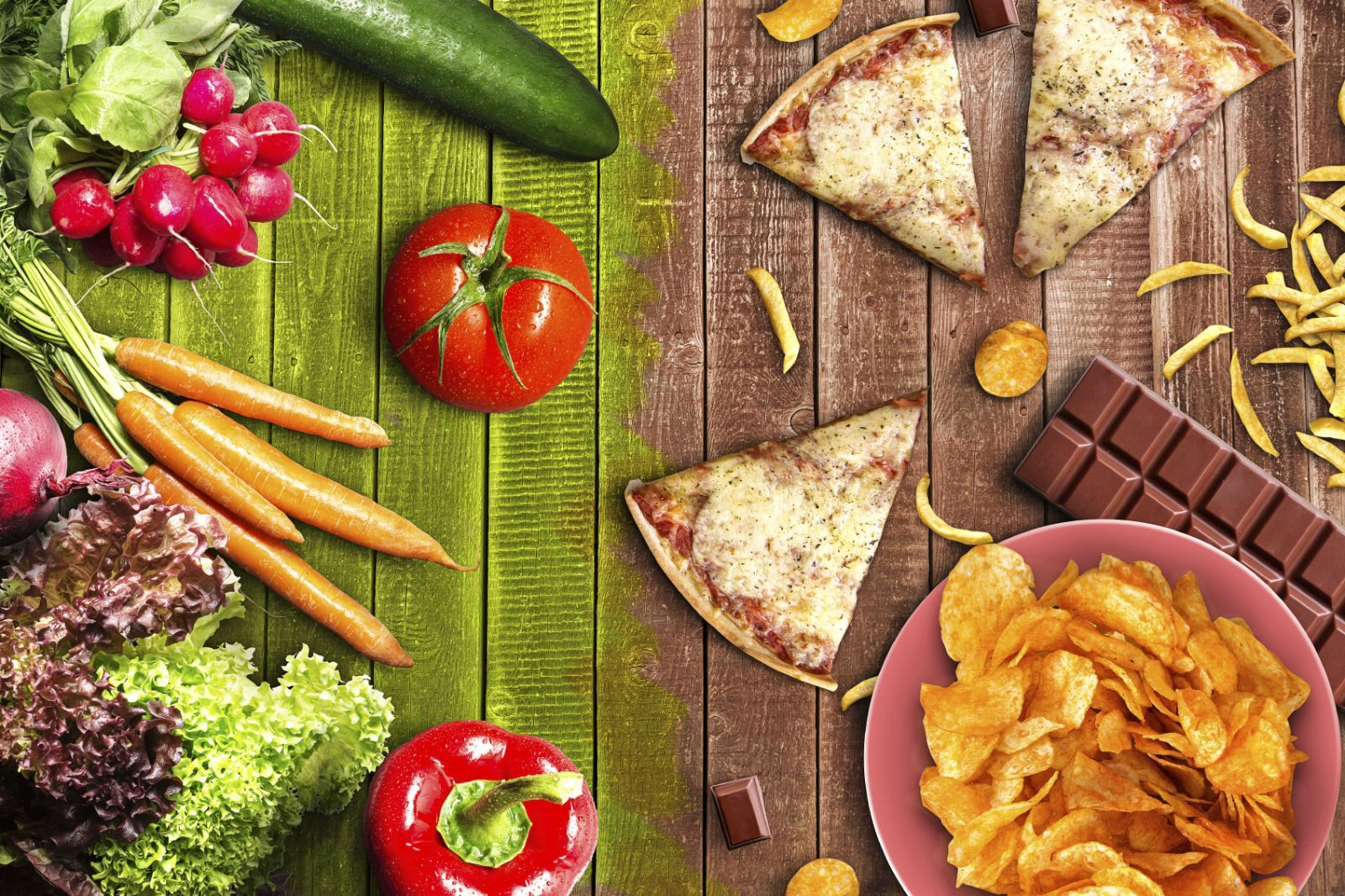
🚫 Foods That Can Disrupt Gut Balance
To protect your microbiome, limit:
-
Highly processed foods
-
Excess added sugars
-
Artificial sweeteners
-
Frequent antibiotic use (unless medically necessary)
Balance matters more than perfection.
🌱 Lifestyle Habits That Support Gut Health
Food works best when paired with healthy habits:
-
Adequate sleep
-
Stress management
-
Regular movement
-
Hydration
The gut responds to your entire lifestyle.
⚖️ Gut Health Is a Long-Term Process
Improving gut microbiome health doesn’t happen overnight. It’s built through consistency, diversity, and patience. Rotating foods, eating a wide range of plants, and supporting digestion naturally leads to lasting results.