admin
admin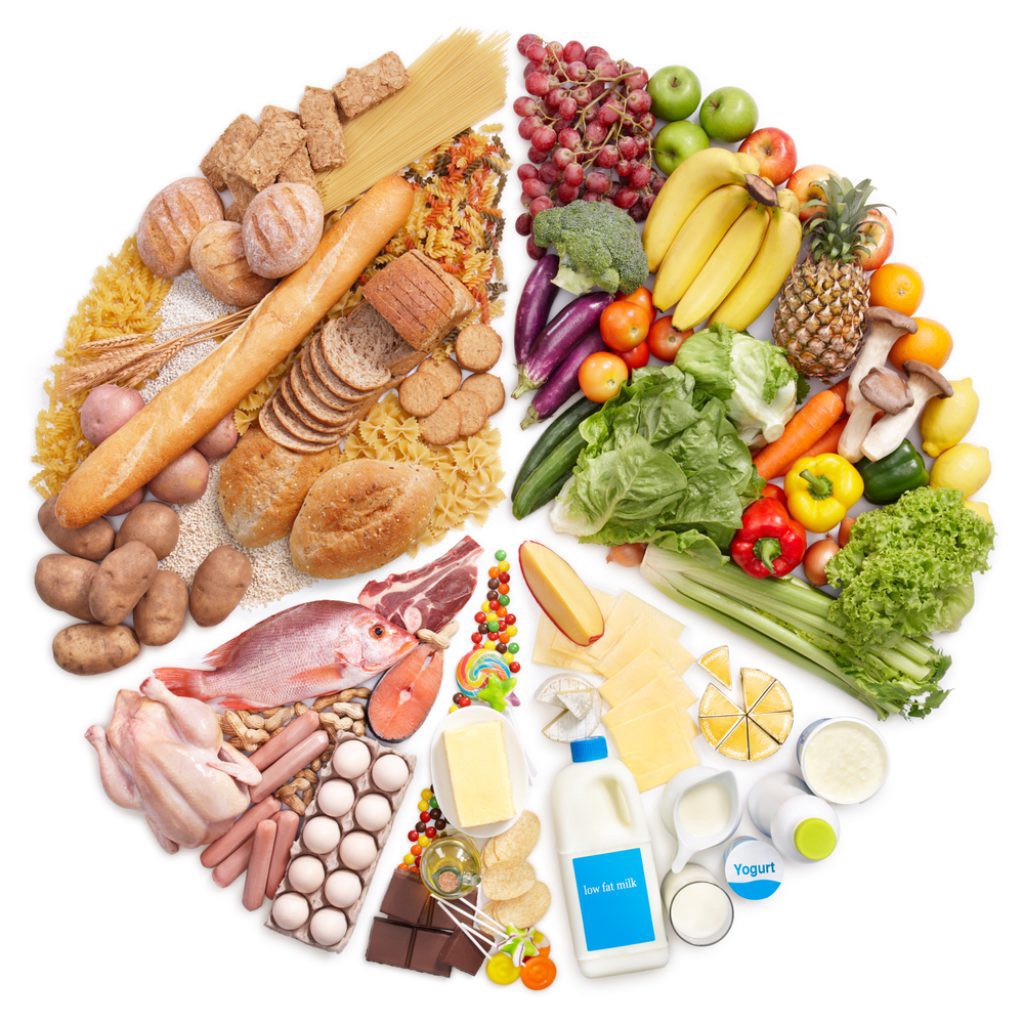
Eating well isn’t just about losing weight — it’s about fueling your body, boosting energy, and supporting long-term health. Here’s a practical guide to help you make smart nutrition choices every day.
🥗 1. Focus on Whole, Unprocessed Foods
The foundation of a healthy diet is whole foods. Fruits, vegetables, whole grains, nuts, seeds, and lean proteins provide essential vitamins, minerals, and fiber that your body needs.
Tip:
Fill half your plate with colorful vegetables and fruits for a nutrient-packed meal.
💧 2. Stay Hydrated
Water is essential for digestion, circulation, and overall energy levels. Proper hydration also helps control appetite and supports healthy skin.
Tip:
Aim for 6–8 glasses of water daily and consider herbal teas or infused water for variety.
🍳 3. Include Protein in Every Meal
Protein helps build and repair tissues, supports immune function, and keeps you feeling full longer.
Good sources:
-
Eggs, yogurt, and cheese
-
Lean meats like chicken or turkey
-
Plant-based options: beans, lentils, tofu, and quinoa
🥑 4. Mind Your Fats
Healthy fats are vital for brain function, hormone balance, and heart health. Focus on sources like avocados, olive oil, nuts, seeds, and fatty fish.
Tip:
Limit trans fats and highly processed oils, which can negatively affect heart and metabolic health.
🍞 5. Choose Whole Grains
Whole grains provide fiber and sustained energy, unlike refined grains that can spike blood sugar.
Examples:
Oats, brown rice, quinoa, barley, and whole-wheat bread or pasta.
🧂 6. Limit Added Sugars and Salt
Excess sugar and sodium can harm heart health, blood pressure, and overall energy. Read labels carefully and try natural flavor enhancers like herbs, spices, and citrus instead.
🌟 7. Practice Mindful Eating
Pay attention to hunger and fullness cues. Eating slowly and savoring meals improves digestion, reduces overeating, and makes meals more enjoyable.
Tip:
Turn off screens during meals and focus on your food.