admin
admin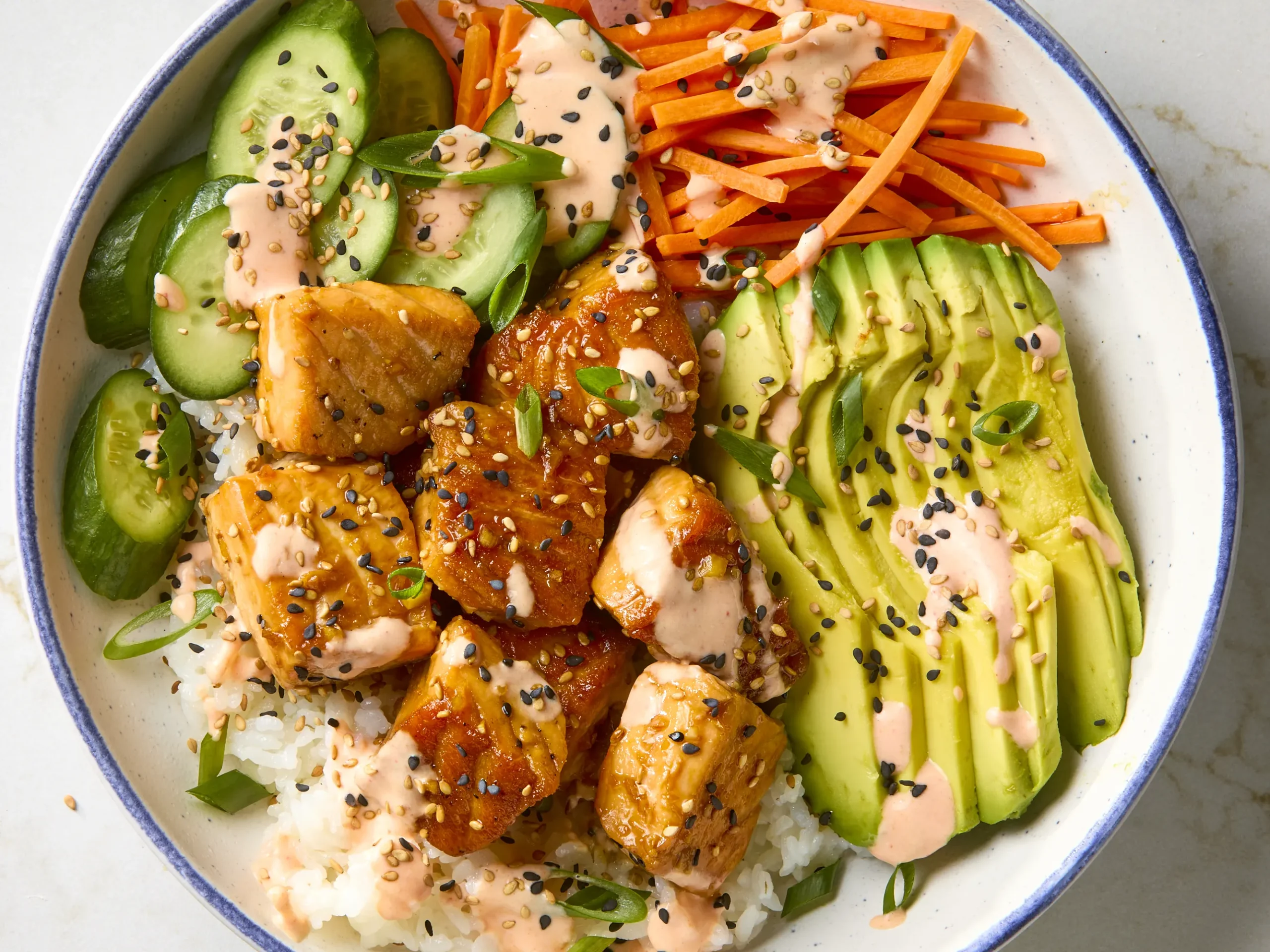
Personal wellness is not about copying someone else’s routine — it’s about understanding what you need to feel physically, mentally, and emotionally well. Modern self-care focuses on small, intentional habits that support balance without pressure or perfection.
True wellness begins with self-awareness and consistency.
🌿 What Personal Wellness Really Means
Personal wellness is the practice of caring for your whole self, not just one area of health. It includes:
-
Physical energy
-
Mental clarity
-
Emotional stability
-
Rest and recovery
-
Healthy boundaries
Wellness looks different for everyone — and that’s exactly how it should be.
🧠 Mental Self-Care Ideas
Mental wellness starts with how you manage thoughts, stress, and daily input.
Simple ideas include:
-
Starting the day without checking your phone
-
Writing down worries to clear your mind
-
Practicing gratitude or reflection
-
Taking short mental breaks during the day
Protecting your mind helps you feel more present and calm.
🧘 Physical Self-Care Without Pressure
Self-care doesn’t require intense workouts or strict routines.
Gentle physical wellness ideas:
-
Daily walks outdoors
-
Stretching in the morning or evening
-
Light strength or mobility exercises
-
Listening to your body instead of pushing through fatigue
Movement should energize you — not exhaust you.
🛌 Rest as a Form of Self-Care
Rest is one of the most underrated wellness tools.
Healthy rest habits include:
-
Going to bed at a consistent time
-
Creating a calming nighttime routine
-
Taking short breaks during the day
-
Allowing yourself to slow down without guilt
Rest supports both physical recovery and mental clarity.
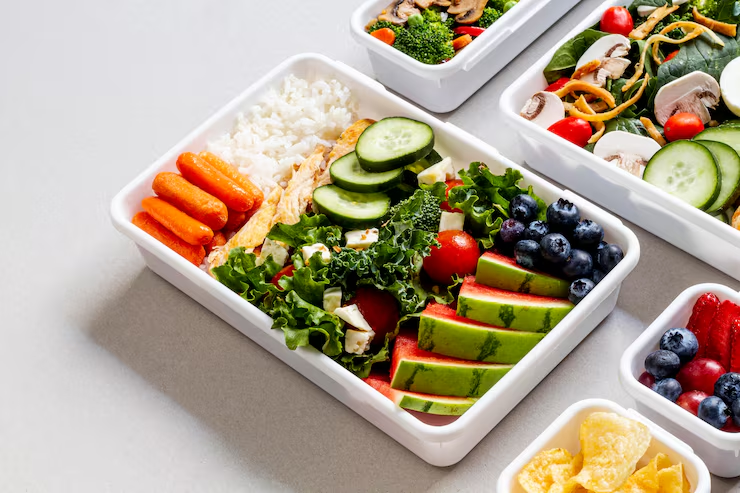
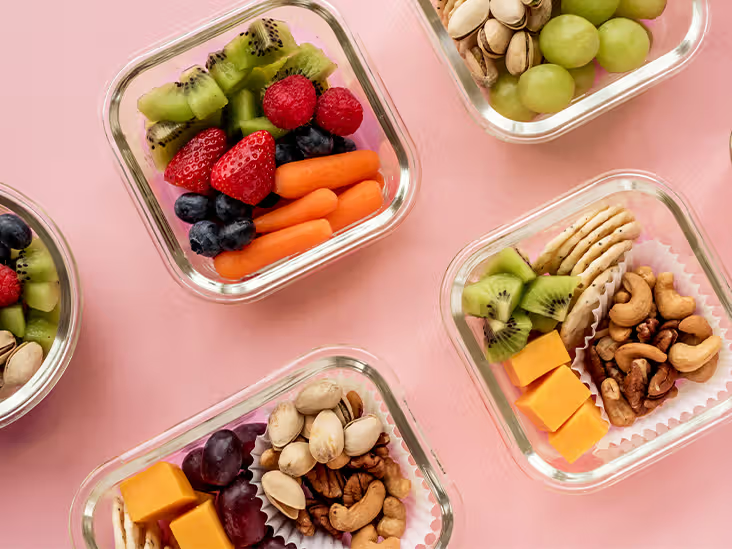
🥗 Nourishing Self-Care Through Food
Personal wellness includes a balanced relationship with food.
Self-care nutrition ideas:
-
Eating regular, balanced meals
-
Choosing foods that support energy and digestion
-
Drinking enough water throughout the day
-
Avoiding extreme diets or restriction
Food should support your body, not control it.
🌱 Emotional Self-Care Practices
Emotional wellness improves when feelings are acknowledged, not ignored.
Helpful practices:
-
Naming emotions instead of suppressing them
-
Journaling or reflective writing
-
Talking openly with trusted people
-
Setting emotional boundaries
Emotional self-care builds resilience over time.
📵 Digital Self-Care Habits
Technology affects mental health more than we realize.
Digital wellness ideas:
-
Turning off unnecessary notifications
-
Taking social media breaks
-
Having screen-free meals
-
Limiting phone use before sleep
Less digital noise creates more mental space.
⚖️ Self-Care That Fits Real Life
Personal wellness works best when it’s realistic.
Healthy self-care focuses on:
-
Small daily actions
-
Flexibility instead of rigid rules
-
Progress instead of perfection
-
Consistency instead of intensity
You don’t need to do everything — just what supports you.
🌟 Final Thoughts
Personal wellness and self-care are about building a life that supports your well-being from the inside out. By focusing on mental balance, gentle movement, proper rest, nourishing food, and emotional awareness, self-care becomes a sustainable lifestyle — not a temporary trend.
Taking care of yourself is not selfish. It’s essential.